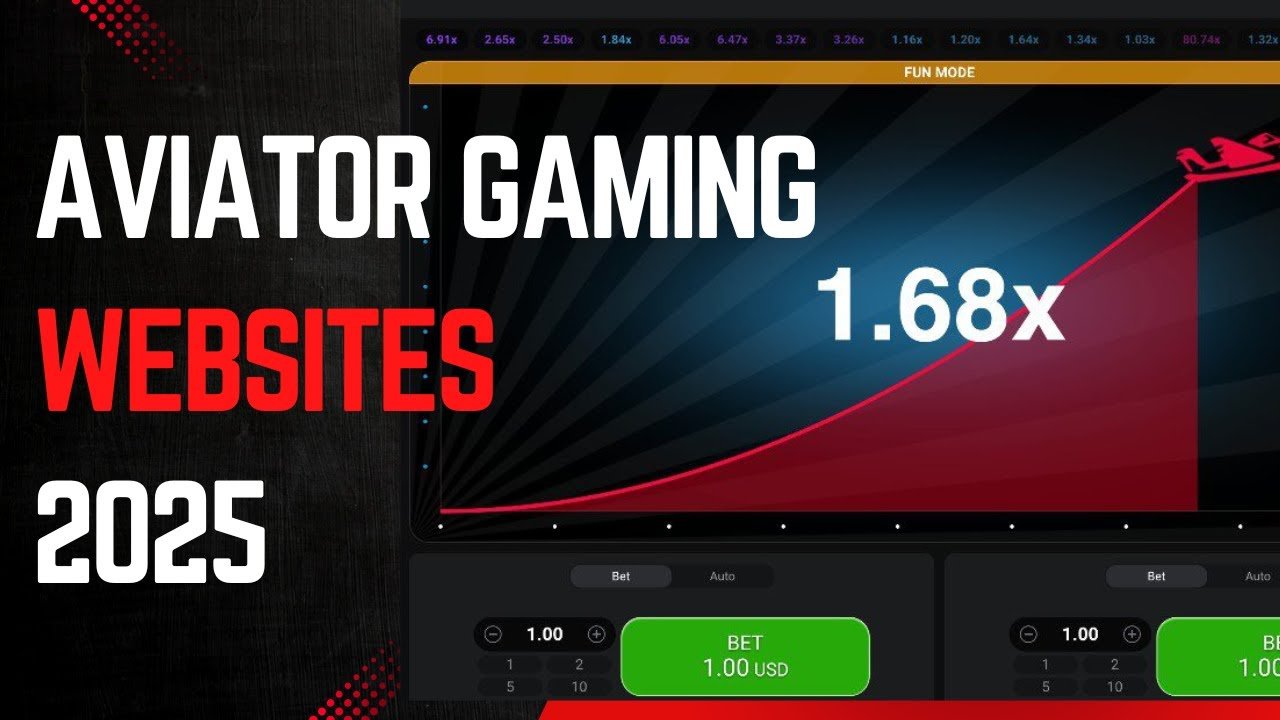
“Master of Aviator” markets itself as an AI-powered prediction tool for the Aviator crash game, promising to tell you when the plane will crash before it happens. Reviews and promotional posts describe high win rates, easy setup, and fast payouts. Here’s what the evidence actually shows when you look past the marketing.
Claim #1: “AI-Powered Predictions”
The claim: The app uses machine learning trained on historical round data to forecast the next crash multiplier.
The evidence against it: Aviator’s crash point is generated by a certified Random Number Generator before each round begins, independent of every prior round. Machine learning models find patterns in data that contains real structure — genuine RNG output contains none by design. Training an AI on random numbers produces a model that performs no better than guessing, no matter how sophisticated the marketing language around it sounds. This isn’t a limitation of current technology; it’s a mathematical property of certified randomness. No AI, current or future, changes that.
Claim #2: “97% Win Rate” (or similar figures)
The claim: Screenshots and testimonials show consistently high accuracy.
The evidence against it: These screenshots are trivially easy to fabricate or cherry-pick — a handful of lucky rounds shown out of context, or numbers typed directly into an image editor. No independent, auditable track record exists for these apps, and none is offered. Compare this to actual licensed casino RNGs, which publish certification reports from named third-party auditors (like GLI or iTech Labs). “Master of Aviator” and similar tools offer no equivalent verification — just screenshots and testimonials that can’t be traced back to real, ongoing performance.
Claim #3: “Trusted by Thousands of Players”
The claim: Social proof — reviews, follower counts, testimonial videos.
The evidence against it: This is a pattern shared across nearly every Aviator predictor site, not something specific to genuine performance. Independent review platforms show a recurring pattern with this category of app: waves of generic five-star reviews, followed by complaints about the “predictions” stopping right after a deposit, followed eventually by the business’s own website going offline — after which the same operators often relaunch under a new name. That lifecycle is a stronger piece of evidence than any testimonial the app itself provides.
Claim #4: “Free to Try”
The claim: You can download or access the tool with no upfront cost.
The evidence against it: The “free” entry point is the funnel, not the product. Once you’re in, you’re typically asked to deposit through the app’s affiliate link, log in with real casino credentials, or upgrade to a paid tier to “unlock full accuracy.” The tool’s real function is directing traffic and deposits to specific betting platforms, which pay commission on the volume the app sends them — a business model that works whether or not you ever win a single round.
What Independent Sources Actually Say
Searching for “Master of Aviator” and comparable apps across review platforms turns up a consistent picture: no independent licensing body, casino operator, or auditor has ever verified a working Aviator prediction tool, because the underlying game architecture makes one impossible. What does turn up is the same recurring complaint pattern seen across dozens of nearly identical apps — different names, same mechanics, same outcome.
Verdict: Scam
Based on the evidence — the mathematical impossibility of predicting a certified RNG, the absence of any independently verifiable track record, and a business model that profits regardless of user outcomes — “Master of Aviator” fits the pattern of an affiliate-funnel scam rather than a legitimate prediction tool. The plane’s crash point isn’t a secret waiting to be cracked; it doesn’t exist until the round starts, and no app on either side of that moment can see it coming.
Want a shorter version for social media, or should I put this into a shareable document?
